
Once upon a time, fame was reserved for movie stars, rock legends, and top-tier athletes. You had to earn it—usually with talent, time, and a touch of luck. But now? Fame can come from a single tweet, a viral TikTok, or even a meme-worthy facial expression. Welcome to the digital age, where the spotlight moves fast, burns bright, and sometimes fades just as quickly.
The internet didn’t just change how people become famous—it redefined what fame even means. Let’s take a look at how the rules of celebrity have shifted, and what it takes to rise (and stay) in the ever-scrolling culture of online attention.
The Rise of the Accidental Star
You no longer need an agent or a casting call to go viral. One funny video, one relatable comment, or one weirdly timed photo can turn an ordinary person into an internet sensation. Think “Chewbacca Mom,” the cranberry juice skateboarder, or any number of people who never intended to go viral, but suddenly found themselves with millions of views. Their rise to fame wasn’t planned—it just hit the right nerve at the right moment. In this era, everyone has the potential to become famous for fifteen minutes (or fifteen million likes).
Traditional Celebrities Are Competing With Influencers
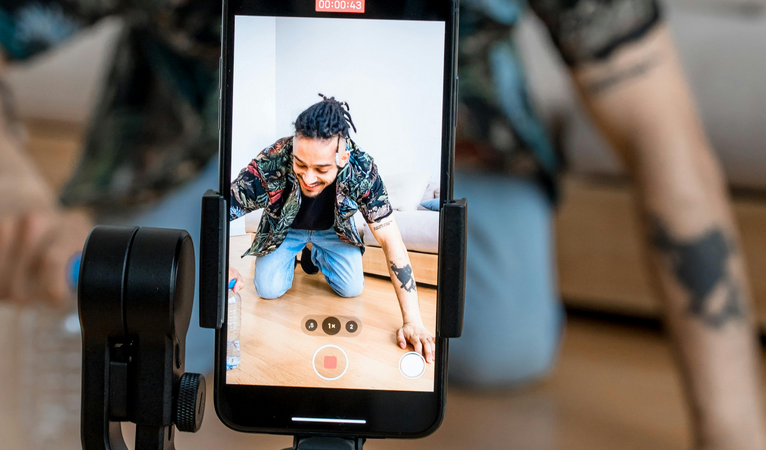
Being a Hollywood actor or a chart-topping singer used to be the pinnacle of fame. But now? Influencers on YouTube, TikTok, and Instagram often have more reach—and arguably more influence—than traditional celebs. They connect directly with their followers, show behind-the-scenes glimpses of their lives, and often feel more “real” to their audience. That personal connection is powerful. Some younger fans care more about what a favorite streamer is doing than who just won an Oscar.
Memes Can Make or Break You
In the digital age, becoming a meme can launch your brand—or derail it. Memes move fast, and the internet loves to remix everything. Celebrities, politicians, athletes—no one is safe. A red carpet pose, a tone-deaf interview, or even just a weird reaction can be clipped, shared, and turned into a running joke. Sometimes it boosts your profile (think: Keanu Reeves’ “Sad Keanu”), and other times it creates a whole PR disaster. Fame now includes the risk of being meme-ified in real time.
Clout Is Measured in Follows, Likes, and Views
Today’s currency of fame isn’t box office numbers—it’s engagement. How many followers do you have? What’s your average view count? Can you trend on Twitter or hit the For You Page? These are the numbers that matter now. That’s why even traditional celebrities play the game—posting behind-the-scenes content, hopping on viral trends, and even managing their own TikTok accounts. If you’re not active online, you risk being invisible to a massive chunk of the public.
Staying Famous Takes More Than Just Going Viral
Going viral is easy. Staying relevant? That’s the hard part. Digital fame is fickle, and attention spans are shorter than ever. To maintain the spotlight, today’s stars—whether accidental or intentional—have to keep showing up, reinventing themselves, and adapting to new platforms. Some build businesses around their fame, while others pivot into acting, podcasting, or fashion. The ones who last treat fame like a full-time job (because, honestly, it is).
Fame in the digital age is fast, weird, and constantly evolving. You can go from movie star to meme—or meme to movie star—depending on timing, luck, and how you handle the internet’s wild attention span. Whether you love it, hate it, or just scroll past it, one thing’s clear: the rules of fame have changed forever.…




 This classic game first appeared in the early 1990s and has since been included in most versions of Windows operating systems. It’s a game of strategy and logic in which the player attempts to locate hidden mines on an 8×8 grid by clicking around the board and deducing which squares are safe. It’s a great way to improve your analytical thinking skills and exercise your short-term memory. The game also helps you develop pattern recognition, which is an important part of problem-solving and IQ enhancement.
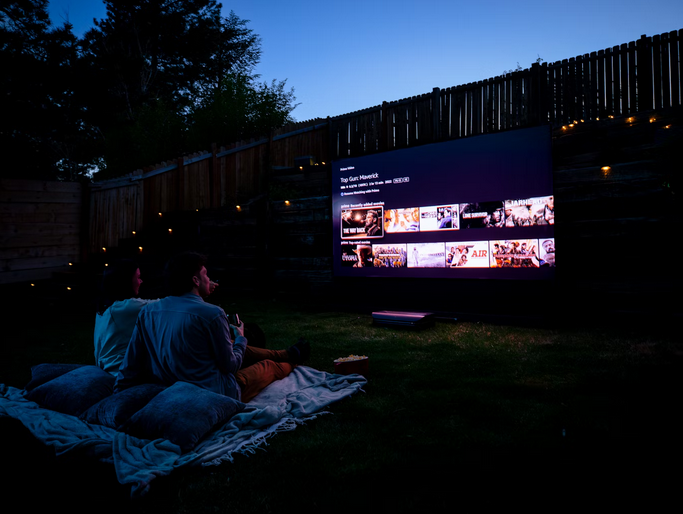
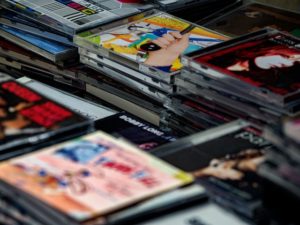 One of the most significant changes in the entertainment industry has been the growth of digital media. Most contents were consumed in physical formats like DVDs and CDs in the past. However, nowadays, more and more people are turning to digital platforms, like streaming services and online downloads. This shift has had a major impact on how businesses operate and clients consume content. For businesses, the growth of digital media has meant that they need to focus more on online distribution channels.
 The last significant change in the entertainment industry has been the growth of mobile. Most people consumed content on their desktop computers or laptops in the past. However, nowadays, more and more people use their smartphones and tablets to consume content. The growth of mobile has had a big impact on how businesses operate. They now need to make sure that their website and content are optimized for mobile devices. Consumers also have more choices when it comes to how they consume content.